How to Extend Your Roof’s Lifespan: Essential Maintenance Tips
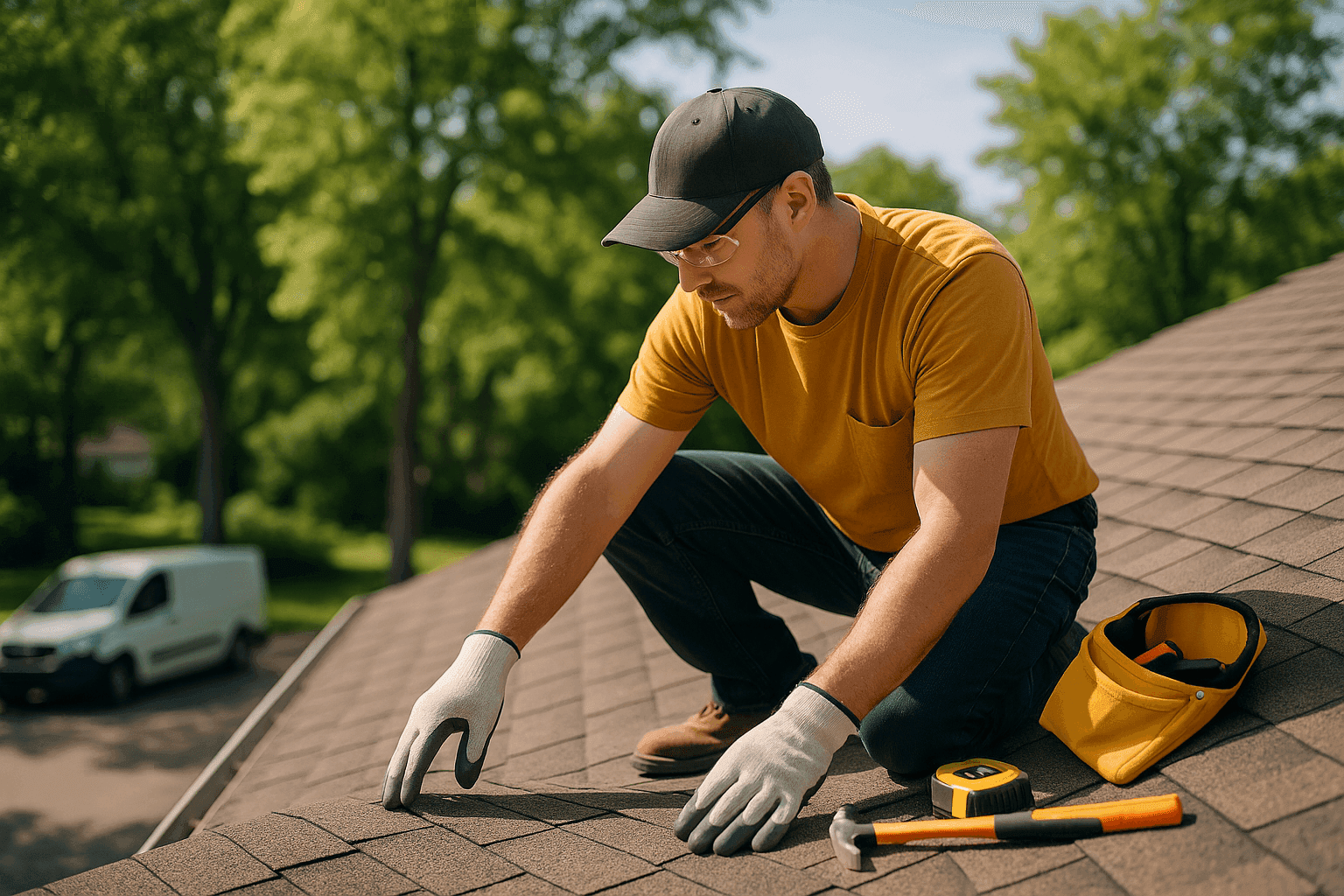
Is your roof quietly taking a beating? Most homeowners and small business owners rarely think about their roof—until water drips on their head or a storm leaves behind chaos. But a little attention now can keep your roof strong for decades.
At Pro Roofing Repairs, we’ve seen how simple care can save thousands. Let’s break down the must-know steps to keep your roof healthy, safe, and ready for whatever the weather throws your way.
Why Roof Maintenance Matters
Think of your roof as a helmet for your home or business. It shields everything inside from rain, wind, sun, and snow. Over time, even the toughest helmets wear down. Regular maintenance is like tightening the straps and patching up dents before they turn into cracks.
Skipping maintenance isn’t just risky—it’s expensive. According to the National Roofing Contractors Association (NRCA), neglected roofs are a leading cause of costly emergency roofing calls. Small leaks can become major repairs. Mold, rot, and structural damage can sneak up fast. Regular checkups keep surprises at bay.
Quick Safety Checklist 🦺
Before you climb a ladder or grab your binoculars, safety comes first. Roof work can be dangerous, even for the experienced.
- Check your ladder for stability and proper height.
- Wear slip-resistant shoes and gloves.
- Never work on a wet or icy roof.
- Watch for overhead wires and tree branches.
- Use a harness if you must step onto the roof.
- Have someone nearby in case of emergency.
If any part of your roof looks unsafe, stay on the ground and call a professional. Safety is always the top priority, as recommended by OSHA roofing safety guidelines.
DIY Roof Maintenance vs. Calling a Pro
Some roof care tasks are simple—others need a trained eye and steady hands.
What you can do yourself:
- Visual inspections from the ground or a sturdy ladder.
- Clearing leaves and debris from gutters.
- Checking attic spaces for signs of leaks or moisture.
- Looking for missing or damaged shingles.
When to call a pro:
- If you spot cracked, curled, or missing shingles.
- When gutters or downspouts are loose or leaking.
- If you see water stains on ceilings or walls.
- After severe storms, especially with hail or high winds.
- For any work involving heights or complex repairs.
Remember, roofs are like puzzles—sometimes the problem is hidden under the surface. Professional roofers have the tools and training to spot trouble early.
What Pros Do On Arrival
When you call Pro Roofing Repairs for emergency roofing or a maintenance check, here’s what to expect:
- Thorough Inspection: We examine shingles, flashing, gutters, and attic spaces. No detail is too small.
- Leak Detection: Using moisture meters and infrared tools, we find hidden leaks.
- Ventilation & Insulation Check: Proper airflow prevents mold and heat damage.
- Sealant and Coating Assessment: We look for cracks or worn spots in protective coatings.
- Downspout and Gutter Review: Ensuring water flows away from your foundation.
- Documentation: Photos and notes so you understand the condition of your roof.
We follow guidelines from the International Building Code (IBC) and local roofing codes to ensure your roof stays up to standard.
Prevention & Maintenance: Your Roof’s Best Friends
A little routine care goes a long way. Here are the essentials:
Seasonal Roof Care Tips
Spring:
- Clear away winter debris.
- Check for ice dam damage.
- Inspect flashing and seals.
Summer:
- Look for sun damage, especially on shingles.
- Clean gutters and downspouts after spring storms.
- Ensure attic ventilation is working.
Fall:
- Remove leaves and twigs from gutters.
- Check for loose or missing shingles before winter.
- Inspect around skylights, chimneys, and vents.
Winter:
- Safely remove heavy snow buildup.
- Watch for ice dams at edges and valleys.
- Check attic for signs of leaks or frost.
Basic Roof Inspections
Walk around your property. Use binoculars if needed. Look for:
- Sagging spots or uneven rooflines.
- Discolored patches (could mean algae or rot).
- Popped nails or loose shingles.
- Rusted or damaged flashing.
- Granules from asphalt shingles in gutters.
Inside, check your attic for:
- Water stains or mildew.
- Sunlight peeking through boards.
- Musty smells (a sign of trapped moisture).
Early Warning Signs of Damage
Catch problems early to avoid emergencies:
- Dripping sounds or water stains after rain.
- Curling, buckling, or missing shingles.
- Soft spots when you press on the roof or attic.
- Mold or algae growth.
- Rust around metal components or flashing.
If you spot any of these, act fast. Even small leaks can lead to big headaches.
Preventative Maintenance Tasks
- Gutter Cleaning: Clogged gutters cause water to back up, leading to leaks and rot. Clean them at least twice a year.
- Sealant Application: Check and reseal around chimneys, skylights, and vents to block water entry.
- Ventilation Checks: Make sure attic vents are clear. Good airflow prevents heat and moisture buildup.
- Downspout Inspection: Ensure downspouts direct water at least five feet from your foundation.
- Trim Trees: Branches scraping shingles can cause damage. Keep them trimmed back.
Regular maintenance is your shield against the unexpected.
Costs & Time Factors
How much does roof maintenance take—both in time and dollars? It varies.
- DIY inspections: About 30–60 minutes, costing little more than your time and a pair of binoculars.
- Professional inspections: Typically 1–2 hours. Fees depend on roof size and complexity.
- Routine maintenance: Gutter cleaning, minor repairs, and sealant checks can be done in a few hours.
- Major repairs or replacement: These take longer and cost more, especially if structural damage is found.
Investing a little now can prevent major expenses later. The National Roofing Contractors Association notes that routine care can extend a roof’s lifespan by up to 50%.
When It’s an Emergency
Sometimes, disaster strikes—a midnight leak, a tree branch through the roof, or shingles ripped off by a storm. That’s when emergency roofing services are vital.
What counts as a roofing emergency?
- Sudden, active leaks during rain.
- Structural damage from fallen limbs.
- Large areas of missing shingles or tiles.
- Signs of roof collapse or severe sagging.
If you face any of these, act immediately. Water can ruin insulation, drywall, and wiring in hours. Safety comes first—stay clear of damaged areas and call for help right away.
Pro Roofing Repairs offers emergency roofing services to help you recover quickly and safely.
Frequently Asked Questions
How often should I have my roof inspected?
Twice a year—spring and fall—plus after major storms. Regular checks catch problems early.
What’s the best way to spot a leak?
Look for water stains on ceilings, musty smells in the attic, or damp spots after rain. If in doubt, call a pro for a moisture scan.
Can I clean my gutters myself?
Yes, if you’re comfortable on a ladder and follow safety guidelines. Otherwise, hire a professional to avoid accidents.
How long does a typical roof last?
It depends on the material and care. Asphalt shingles last 15–30 years, metal roofs 40–70 years, and tile roofs even longer with proper maintenance.
Special Considerations for Roof Longevity 🏠
Every roof is unique. Flat roofs need extra attention to drainage. Metal roofs require regular checks for rust and loose fasteners. Skylights and chimneys are common leak spots—inspect seals and flashing every season.
Eco-friendly roofing options, like cool roofs or recycled materials, can offer longer lifespans and lower energy bills. Preventative maintenance—like resealing, cleaning, and keeping up with minor repairs—makes a big difference for all roof types.
Remember, code compliance matters. Always follow recommendations from organizations like the International Code Council and the National Roofing Contractors Association.
Ready to keep your roof in great shape? Call Pro Roofing Repairs now — or reach us anytime at 888-899-5773 .