How to Identify and Fix Roof Flashing Issues Before They Cause Leaks
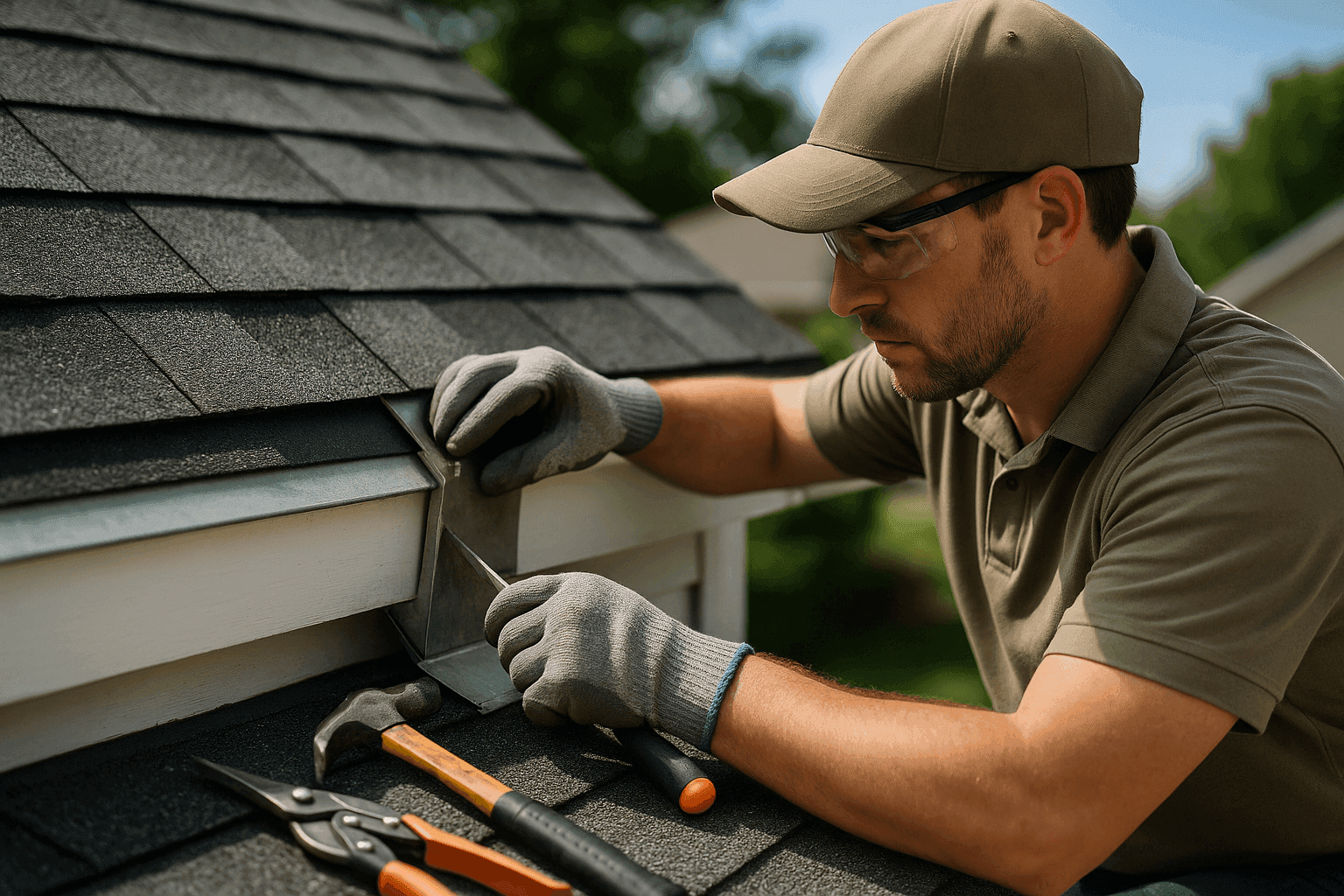
When rain pours down, your roof stands guard. But even the strongest roofs have weak spots. One of the most common? Roof flashing. A tiny crack or loose seam can send water trickling into your home or business, leading to costly headaches.
At Pro Roofing Repairs, we see it all the time. The good news? Spotting flashing issues early can save you money, stress, and sleepless nights. Let’s break down what you need to know—plain and simple.
What Is Roof Flashing and Why Does It Matter?
Think of roof flashing as the armor that protects your roof’s most vulnerable joints. It’s usually thin metal or sometimes a tough synthetic, installed wherever your roof meets a wall, chimney, skylight, or vent. These are the places where water likes to sneak in.
Common flashing locations:
- Around chimneys and skylights
- Where roof planes meet (valleys)
- Along roof edges, eaves, and dormers
- At vent pipes and exhaust fans
If flashing fails, water finds a way. Even a hairline gap can cause leaks, rot, and mold. That’s why regular inspection is key—just like checking the locks on your doors before a storm.
Signs Your Roof Flashing Needs Attention 🕵️
Flashing doesn’t shout for help. It whispers. Here’s what to look for:
- Rust or corrosion: Orange stains or flaking metal are an SOS.
- Cracks and splits: Even the smallest gap can let water in.
- Loose or missing fasteners: Nails or screws that wiggle or are gone altogether.
- Warped, bent, or lifted flashing: Flashing should sit tight and flat.
- Water stains inside: Brown spots on ceilings or walls often trace back to flashing leaks.
- Moss or debris buildup: Can trap moisture and speed up damage.
If you spot any of these, don’t ignore them. Small issues can turn into big emergencies—fast.
How to Inspect Roof Flashing Safely
Safety comes first. The roof is no place for shortcuts. Before you grab a ladder, run through this checklist:
Quick Safety Checklist
- Check the weather: Dry, calm days only. Wet roofs are slippery.
- Use a sturdy ladder: Place on solid, level ground. Never overreach.
- Wear non-slip shoes: Traction matters.
- Bring a buddy: Someone should know you’re up there.
- Gloves and eye protection: Metal edges can be sharp.
- Stay clear of power lines: Always be aware of your surroundings.
For more on roof safety, see the Occupational Safety and Health Administration (OSHA) guidelines.
Step-by-Step: Inspecting Your Flashing
- Walk the perimeter: On the ground, look for sagging gutters or water stains.
- Climb up carefully: Scan flashing at all joints, valleys, and around chimneys or skylights.
- Look for trouble signs: Rust, cracks, loose nails, or gaps.
- Check sealant: Old caulk or tar that’s cracked or missing needs attention.
- Take photos: If you spot issues, pictures help you track changes or show a professional.
DIY Flashing Repairs: What You Can (and Can’t) Do
Some minor flashing issues are within reach for handy homeowners or business owners. Others need a pro’s touch.
Simple DIY Fixes
- Seal small cracks: Use roofing caulk or a high-quality sealant rated for outdoor use.
- Tighten loose fasteners: Replace missing or loose nails with roofing screws and washers.
- Clear debris: Remove leaves, moss, or dirt gently by hand.
When to Call Pro Roofing Repairs
- Large gaps or missing flashing: Needs custom fitting and proper sealing.
- Major rust or structural damage: May require replacing sections of flashing or underlying roof materials.
- Leaks inside the building: Water stains mean the problem could be bigger than it looks.
- Steep or high roofs: Safety risks go up with height and pitch.
Trying to DIY complex repairs can lead to more damage—and bigger bills down the road.
What Happens When a Pro Arrives
When you call Pro Roofing Repairs for emergency roofing or flashing issues, here’s what our team does:
- Thorough inspection: We check all flashing, roof surfaces, gutters, and attic spaces.
- Moisture assessment: Using moisture meters, we look for hidden leaks or rot.
- Damage mapping: We pinpoint every trouble spot, not just the obvious ones.
- Expert repairs: We use the right materials—galvanized steel, copper, or modern synthetics—to match your roof.
- Seal and secure: All seams are sealed, fasteners tightened, and vulnerable areas reinforced.
We know the ins and outs of residential and commercial roofs, from shingle to metal, tile to flat.
Preventing Flashing Problems Year-Round
Flashing needs a little TLC to stay strong. Here’s how to keep it in shape:
- Inspect twice a year: Spring and fall are best. After storms, too.
- Clean gutters and downspouts: Clogged drainage causes water to back up and attack flashing.
- Trim overhanging branches: Falling limbs can dent flashing or strip it loose.
- Watch for animal nests: Birds and squirrels love to tuck in under loose flashing.
- Touch up sealant: If caulk looks dry or cracked, reapply as needed.
Regular maintenance prevents small issues from turning into emergency roofing calls.
Costs and Time Factors
Roof flashing repairs can range from quick fixes to more involved projects. Here’s what to expect:
- Minor repairs: Sealing small cracks or tightening fasteners might take an hour or less.
- Moderate repairs: Replacing sections of flashing or addressing minor leaks can take several hours.
- Major repairs: Full replacement or structural repairs may require a day or more.
Costs depend on roof size, material, and damage extent. Remember, catching issues early keeps costs down.
When Flashing Issues Become an Emergency 🚨
Sometimes, flashing problems can’t wait:
- Active leaks during storms
- Water dripping through ceilings or walls
- Large sections of missing or blown-off flashing
- Sudden mold or musty smells indoors
If your roof is letting water in during a storm, that’s an emergency roofing situation. Quick action can prevent major structural and interior damage.
FAQ: Roof Flashing Edition
How often should I check my roof flashing?
Twice a year—spring and fall—plus after heavy storms.
Can I use regular caulk on flashing?
No. Use roofing-specific sealant designed for outdoor, waterproof use.
Is all roof flashing metal?
Most is, but some newer systems use tough synthetics. The key is durability and a watertight fit.
Will insurance cover flashing repairs?
It depends on your policy and the cause of damage. Check with your provider for details.
Special Considerations for Roof Flashing Repair
- Older homes: May have outdated or incompatible materials. Upgrades can improve protection.
- Eco-friendly options: Modern flashing materials are available with recycled content or improved longevity.
- Flat roofs: Require special attention to seams and drainage.
- Commercial buildings: Larger roofs mean more flashing and complex drainage systems.
Always follow manufacturer guidelines and building codes. The International Building Code (IBC) offers clear standards for flashing installation.
Don’t let a small flashing issue turn into a waterfall in your living room. Whether it’s a quick inspection or a full emergency roofing repair, Pro Roofing Repairs is ready to help.
Call Pro Roofing Repairs now — or reach us anytime at 888-899-5773 .