How to Prepare Your Roof for Severe Weather: A Homeowner’s Guide
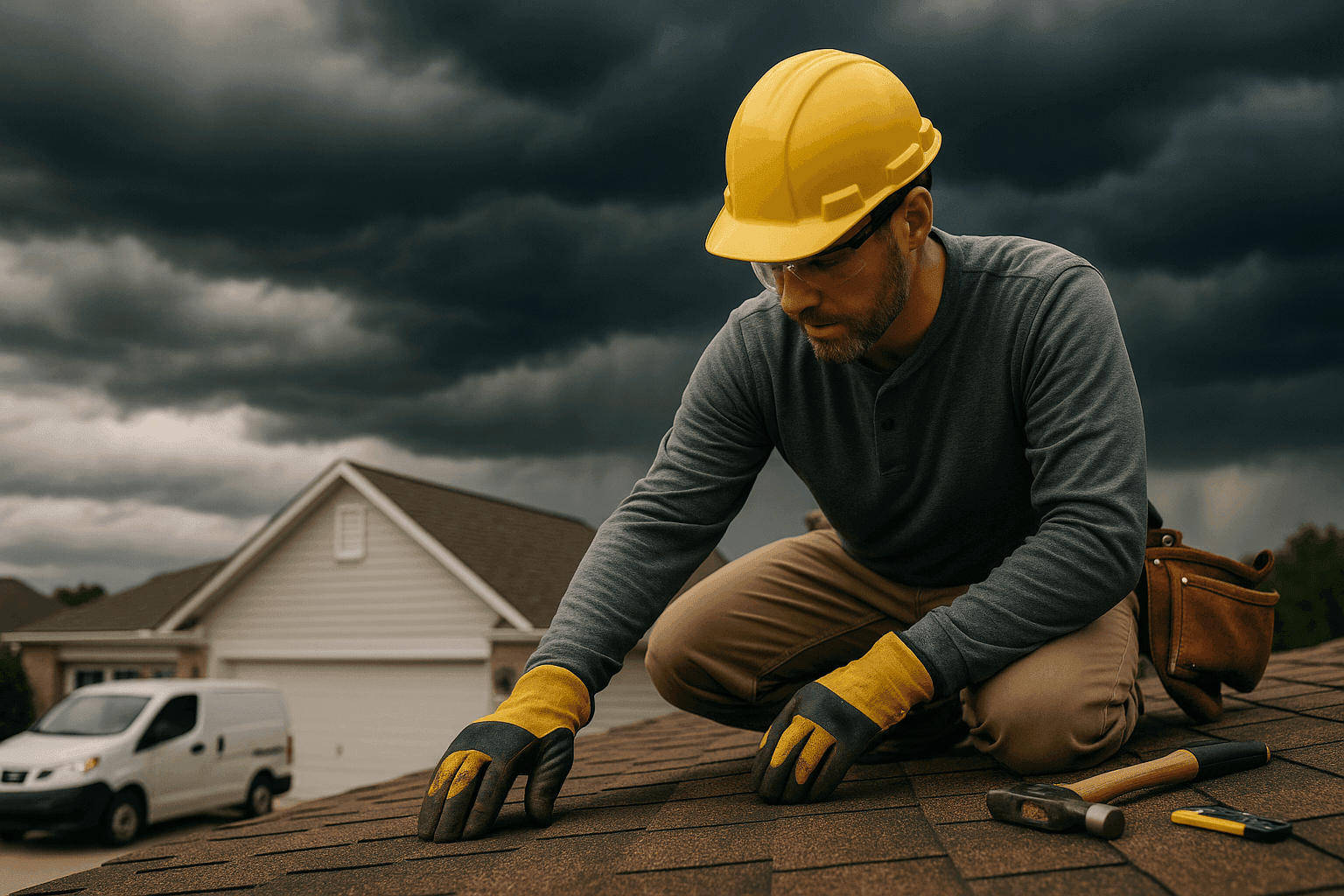
When the sky darkens and the wind howls, your roof stands between you and the storm. Most homeowners and small business owners don’t think about roofing until the rain starts dripping in. By then, it’s too late for easy fixes.
At Pro Roofing Repairs, we’ve seen first-hand how a little preparation can save a lot of stress—and money. This guide walks you through simple, actionable steps to get your roof ready for whatever the weather throws your way.
Understanding Weather Risks to Your Roof 🌪️
Roofs are like shields. They take the brunt of nature’s fury—rain, wind, hail, even the blazing sun. But every shield has weak spots. High winds can lift shingles. Heavy rain finds its way through tiny cracks. Hail can bruise and break roofing materials.
Common severe weather risks:
- Wind: Can tear off shingles, flashing, or even sections of roof decking.
- Rain: Exploits weaknesses, causing leaks and water damage.
- Hail: Dents metal, cracks tiles, and damages shingle granules.
- Snow/Ice: Adds weight and can cause ice dams, leading to leaks.
- Falling debris: Branches or flying objects may puncture or crack roofing surfaces.
The National Roofing Contractors Association (NRCA) and the Federal Emergency Management Agency (FEMA) both highlight regular inspection and maintenance as the best defense against weather-related roof damage.
Pre-Storm Roof Inspection Checklist
Before the next storm rolls in, take a walk around your home or business. Binoculars help. Look for trouble spots—think of it like checking your armor before battle.
Inspection checklist:
- Shingles: Are any missing, cracked, or curling?
- Flashing: Is metal flashing loose or rusted around chimneys, vents, or skylights?
- Gutters and Downspouts: Are they clogged, sagging, or disconnected?
- Sealants and Caulking: Is there cracking or peeling around joints?
- Attic: Any signs of leaks, water stains, or daylight peeking through?
- Debris: Are branches, leaves, or moss collecting on the roof?
- Roof Edges: Are drip edges and eaves intact and secure?
If you spot anything questionable, it’s time to act. Even small issues can turn into big headaches when the weather turns wild.
Key Maintenance Tasks to Prevent Damage
Think of maintenance as your roof’s workout routine—keeping it strong and ready for anything.
Clean Gutters and Downspouts
Clogged gutters are like blocked arteries for your home. Water backs up, spills over, and finds its way into places it shouldn’t go. Clean gutters and downspouts at least twice a year, and before any predicted storms.
Secure Loose Shingles and Flashing
Loose shingles flap like sails in high winds. Secure or replace them as soon as you notice a problem. Flashing is the unsung hero around chimneys, skylights, and valleys—make sure it’s tight and rust-free.
Check and Refresh Sealants & Coatings
Sealants dry out and crack over time, especially under harsh sun. Inspect and refresh them as needed. Modern roof coatings can add a protective layer, boosting resilience against water and UV damage.
Trim Overhanging Branches
Branches scraping your roof are more than an annoyance. In a storm, they can snap and cause major damage. Keep trees trimmed back at least six feet from your roofline.
Inspect Insulation and Ventilation
A well-ventilated attic helps prevent moisture buildup and ice dams. Check that vents are clear and insulation is dry and evenly distributed.
Preventative Maintenance Pays Off
Routine checkups catch small issues before they become emergencies. According to the International Association of Certified Home Inspectors (InterNACHI), regular maintenance can extend your roof’s life and reduce repair costs over time.
Emergency Measures During and After Severe Weather
Sometimes, despite your best efforts, severe weather wins a round. Here’s what to do next.
During the Storm
- Stay safe: Don’t climb on the roof during a storm.
- Contain leaks: Place buckets under drips and move valuables away from water.
- Document damage: Take photos (from a safe location) for insurance purposes.
After the Storm
- Inspect for new damage: Walk around your home and look for missing shingles, damaged gutters, or debris.
- Check the attic: Look for fresh leaks, wet insulation, or water stains.
- Call emergency roofing professionals: If you notice significant damage, don’t wait. Emergency roofing services like ours can prevent further harm.
Identifying Vulnerable Roof Components
Some parts of your roof are more likely to fail under stress. Knowing where to look can save you time and trouble.
- Shingle edges and corners: These catch the wind first.
- Roof valleys: Where two slopes meet, water flows fastest.
- Chimney and skylight flashing: Common leak points.
- Gutter attachments: Weak fasteners can pull loose in heavy rain.
- Flat roofs: More prone to pooling water and leaks.
The Role of Sealants and Coatings
Sealants are like caulk for your roof’s seams and joints. Over time, sun and weather break them down. Reapplying high-quality sealant around vents, pipes, and flashing keeps water out.
Roof coatings add a weatherproof layer. Some coatings are reflective, helping with energy efficiency. Others are designed to resist ponding water or UV damage. Always use coatings recommended by roofing manufacturers and follow safety guidelines from the Occupational Safety and Health Administration (OSHA).
When to Call in Roofing Professionals
Some jobs are best left to the pros. If you notice:
- Major leaks or water intrusion
- Structural sagging
- Widespread shingle loss
- Large branches or debris on the roof
- Visible daylight through roof boards
Don’t risk a DIY fix. Professional roofers have the tools, safety gear, and experience to handle tough repairs—especially during emergencies.
DIY vs. Professional Roofing Services
A little DIY can go a long way—clearing gutters, trimming branches, or checking for obvious damage. But when it comes to climbing ladders, working on steep slopes, or handling structural repairs, safety comes first.
DIY tasks:
- Cleaning gutters and downspouts
- Removing small debris from the roof (from the ground if possible)
- Checking for visible shingle or flashing damage
Call a pro for:
- Leak repair or water damage
- Replacing or securing shingles and flashing
- Major storm damage or structural issues
- Emergency tarping and temporary repairs
Remember, falls are a leading cause of home injuries. If you’re unsure, let the professionals handle it.
What Roofing Pros Do on Arrival
When emergency roofing help arrives, expect a systematic approach:
- Safety first: Crews assess hazards, secure the area, and use harnesses and protective gear.
- Assessment: A thorough inspection identifies all visible and hidden damage.
- Temporary protection: Emergency tarps or sealants are applied to stop leaks.
- Detailed recommendations: You’ll get a clear explanation of what needs fixing now and what can wait.
- Permanent repairs: Once weather allows, repairs are completed to code, using manufacturer-approved materials.
Prevention & Maintenance for Long-Term Protection
A strong roof is built on a foundation of regular care. Here’s how to keep yours ready for anything:
- Annual inspections: Schedule a professional inspection at least once a year.
- Routine cleaning: Keep gutters, downspouts, and roof surfaces clear of debris.
- Update insulation and ventilation: Prevent moisture problems and extend roof life.
- Invest in eco-friendly options: Modern materials, like cool roofing and recycled shingles, can boost durability and efficiency.
Following guidelines from the National Roofing Contractors Association and OSHA helps ensure your roof meets safety and performance standards.
Costs & Time Factors
Roof repairs and maintenance vary widely in cost and time. Small fixes—like replacing a few shingles or cleaning gutters—can often be done in an afternoon. Larger repairs or emergency services may take longer, especially if weather delays work.
Factors that affect cost and time:
- Size and pitch of the roof
- Type of roofing material (shingle, metal, tile, flat)
- Extent of damage
- Accessibility and safety requirements
- Need for specialized materials or coatings
Investing in regular maintenance is almost always less expensive than emergency repairs after a major storm.
When It’s an Emergency
Some roof problems just can’t wait. Call for emergency roofing help if you notice:
- Active leaks during or after a storm
- Large sections of missing roof
- Structural sagging or collapse
- Exposed decking or insulation
- Water entering electrical systems
Quick action can prevent further damage and protect your property.
Frequently Asked Questions
How often should I inspect my roof?
Inspect your roof at least twice a year—once in the spring and once in the fall. After any major storm, do a quick check for new damage.
Can I walk on my roof to inspect it?
It’s safest to inspect from the ground using binoculars. Walking on a roof can be dangerous, especially after storms. Leave rooftop inspections to trained professionals.
What should I do if I find a leak during a storm?
Contain the water as best you can, move valuables out of the way, and call for emergency roofing help. Avoid climbing on the roof during bad weather.
Are eco-friendly roofing options as durable as traditional materials?
Many eco-friendly roofing materials, like metal or recycled shingles, are just as durable—sometimes more so—than traditional options. Ask your roofing contractor about materials that meet industry standards.
Special Considerations for Severe Weather Preparation
- Flat roofs: Pay special attention to drainage, as standing water can quickly lead to leaks.
- Older roofs: Materials degrade over time. If your roof is 15+ years old, consider a professional inspection before storm season.
- Commercial buildings: Large roofs may need additional maintenance, especially around HVAC units and skylights.
- Skylights and chimneys: These features are common leak points. Make sure flashing and sealants are in good condition.
Ready for the Next Storm?
A little preparation goes a long way. Whether you’re a homeowner or a small business owner, keeping your roof in shape can save you from costly emergency repairs and sleepless nights.
Call Pro Roofing Repairs now — or reach us anytime at 888-899-5773 .