Seasonal Roof Maintenance: Essential Tasks for Every Homeowner
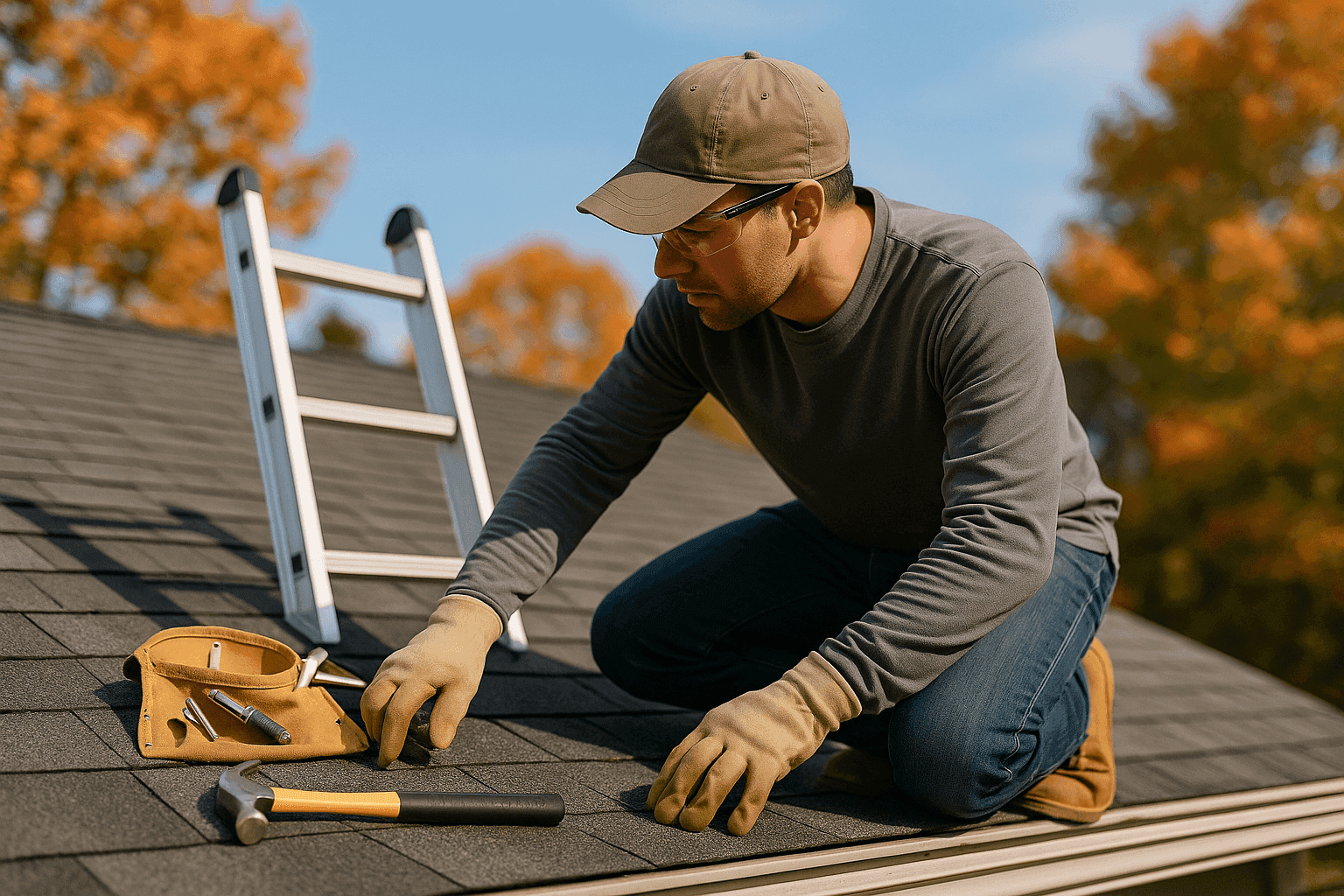
Keeping a roof over your head is more than a saying—it’s a year-round responsibility. Roofs take the brunt of every season, from pounding rain to summer heat, and even the occasional surprise storm that leaves you scrambling for a bucket.
At Pro Roofing Repairs, we know that a little care today can save you from emergency roofing headaches tomorrow. Let’s walk through the essential tasks every homeowner and small business owner should tackle each season to keep their roof strong, safe, and ready for anything.
Why Seasonal Roof Maintenance Matters
A roof is like a silent guardian. It shields you from wind, water, and whatever else the sky throws down. But even the toughest roof has a weak spot. Leaves clog gutters, heavy snow weighs down shingles, and small leaks can grow into big problems overnight.
Ignoring your roof is like driving a car and never checking the oil. Sooner or later, something’s bound to break. Regular, seasonal maintenance helps you spot trouble before it turns into an emergency. It also extends the life of your roof—saving you money, stress, and that sinking feeling when water starts dripping onto your favorite chair.
Quick Safety Checklist 🦺
Before you grab a ladder or start poking around, take a minute to review these safety basics:
- Check your ladder: Make sure it’s stable and on level ground.
- Wear sturdy shoes: Avoid slick soles—good grip is key.
- Don’t go up alone: Have someone nearby in case you need help.
- Watch the weather: Never work on the roof during storms, high winds, or icy conditions.
- Stay clear of power lines: Always keep ladders and tools away from electrical hazards.
- Know your limits: If you’re unsure or uncomfortable, it’s safer to call a professional.
For more detailed safety guidelines, refer to the Occupational Safety and Health Administration (OSHA) recommendations for residential roofing work.
Spring: Shake Off Winter’s Grip
Spring is the season of renewal—and your roof needs it too. Winter can be tough, leaving behind hidden damage and debris.
Inspect for Winter Damage
- Check for missing or curled shingles: Ice and wind can loosen or break shingles.
- Look for leaks or water stains: Inside your attic or on ceilings, water spots are a red flag.
- Inspect flashing and sealants: Around chimneys, skylights, and vents, look for cracks or gaps.
Clear Away Debris
- Remove branches, leaves, and moss: Debris traps moisture and can rot your roof.
- Clean gutters and downspouts: Clogged gutters can send water under your shingles.
Assess Ventilation & Insulation
- Check attic ventilation: Poor airflow can lead to mold and reduce your roof’s lifespan.
- Inspect insulation: Replace any that’s wet or compacted.
Schedule a Professional Inspection
If you spot anything out of the ordinary—or just want peace of mind—schedule a thorough inspection with a roofing professional.
Summer: Sun, Heat, and Hidden Hazards
Summer brings heat, sun, and sudden storms. It’s a great time to get ahead on preventative maintenance.
Look for Heat Damage
- Check for blistered or cracked shingles: High temperatures can make shingles brittle.
- Inspect roof sealants: Sun can dry out and crack sealants around seams and joints.
Clean and Inspect Gutters
- Remove any leftover debris: Even small clogs can cause big problems in a summer downpour.
- Test downspouts: Make sure water flows away from your foundation.
Trim Overhanging Branches
- Cut back tree limbs: Branches can scrape shingles or fall during storms.
Prepare for Storms
- Secure loose materials: Patio furniture, grills, and toys can become projectiles.
- Check skylights and roof vents: Make sure seals are watertight.
Fall: Prep for Rain, Wind, and Falling Leaves 🍂
Autumn is prime time for preventative maintenance. Leaves are falling, rain is coming, and winter is just around the corner.
Clean Gutters and Downspouts
- Clear out leaves and twigs: Prevent blockages that cause water to back up.
- Check for sagging gutters: Fix loose brackets before winter snow or ice adds weight.
Inspect for Storm Damage
- Look for missing or damaged shingles: Summer storms can leave weak spots behind.
- Check flashing and roof edges: Make sure everything is sealed tight.
Seal and Coat
- Apply roof coatings: Protect against moisture and extend your roof’s life.
- Seal around vents and chimneys: Keep out water and critters looking for a winter home.
Schedule a Roof Inspection
A professional inspection in the fall can catch small issues before winter weather makes them worse.
Winter: Defend Against Snow and Ice
Winter is the ultimate test for any roof. Heavy snow, ice dams, and freezing temperatures can turn small problems into emergencies.
Remove Snow Safely
- Use a roof rake: Clear snow from the edges to prevent ice dams.
- Don’t chip at ice: This can damage shingles and flashing.
Watch for Ice Dams
- Look for icicles: These can signal blocked gutters or poor insulation.
- Check attic for leaks: Water stains or damp insulation mean trouble.
Inspect Attic Ventilation
- Keep vents clear: Good airflow reduces condensation and prevents mold.
Emergency Roofing Tip
If you notice a sudden leak or structural damage, don’t wait. Call an emergency roofing service right away to prevent further harm.
DIY vs. Call a Pro
Some tasks are safe and manageable for a handy homeowner. Others need the tools, training, and experience of a professional.
When DIY Makes Sense
- Cleaning gutters (with proper safety gear)
- Trimming small branches
- Removing light debris from the roof
When to Call a Professional
- If you see missing or damaged shingles
- When there’s evidence of leaks or water damage
- For inspections after a major storm
- When working at heights or near electrical hazards
Remember, safety comes first. No roof repair is worth risking a fall or injury.
What Pros Do On Arrival
When you call Pro Roofing Repairs, here’s what to expect:
- Thorough inspection: Inside and out, from the attic to the shingles.
- Check for hidden damage: Including leaks, loose flashing, and soft spots in decking.
- Test gutters and downspouts: To ensure proper drainage.
- Assess ventilation and insulation: For energy efficiency and moisture control.
- Provide a clear report: With photos and recommended next steps.
We use safety equipment and follow industry standards, including guidelines from the National Roofing Contractors Association (NRCA).
Prevention & Maintenance
An ounce of prevention really is worth a pound of cure. Here’s how to keep your roof in top shape year-round:
- Inspect twice a year: Once in the spring, once in the fall.
- Keep gutters clean: At least twice a year, more if you have overhanging trees.
- Trim branches: Keep limbs at least 6 feet away from your roof.
- Check attic insulation and ventilation: Proper airflow prevents moisture buildup.
- Look for early warning signs: Like curling shingles, rusted flashing, or water stains.
Regular maintenance helps you avoid emergency roofing repairs and extends the life of your investment.
Costs & Time Factors
Roof maintenance doesn’t have to break the bank—or eat up your weekends.
- Time: Most seasonal tasks take 1–3 hours, depending on roof size and condition.
- Cost: DIY tasks are mostly your time and effort. Professional inspections or repairs can range from a small service fee to a larger repair bill if major issues are found.
- Materials: Budget for basic supplies like gloves, a roof rake, or gutter scoop.
Skipping maintenance can lead to emergency repairs, which are always more expensive and stressful.
When It’s an Emergency 🚨
Sometimes, trouble strikes out of nowhere—a tree falls, a storm rips off shingles, or water pours in through the ceiling.
Signs you need emergency roofing help:
- Active leaks during rain or snow
- Large sections of missing shingles
- Sagging or collapsing roof areas
- Sudden, unexplained water stains
- Structural damage from fallen branches or debris
In these cases, call an emergency roofing service immediately. Quick action can prevent further damage to your home or business.
FAQ
How often should I inspect my roof?
Twice a year is ideal—once in the spring, once in the fall. After major storms, it’s smart to check for damage right away.
Can I walk on my roof to check for problems?
It’s safest to inspect from the ground or with binoculars. Walking on your roof can cause damage or lead to falls. Leave close inspections to professionals.
What’s the biggest risk of skipping maintenance?
Small issues can turn into big, expensive problems. Clogged gutters, loose shingles, or unnoticed leaks can lead to water damage, mold, or even structural failure.
How do I know if my attic has enough ventilation?
Look for signs like musty smells, condensation, or mold. A professional can assess your attic and recommend improvements to keep air flowing properly.
Special Considerations for Roof Maintenance
Every roof is different. Shingle, metal, tile, and flat roofs each have their own quirks. Skylights, chimneys, and solar panels add extra complexity. For commercial buildings, larger surface areas and specialized materials may require more frequent inspections.
Eco-friendly options like reflective coatings or green roofing materials can help with energy efficiency but need their own care routines. Always follow manufacturer guidelines and consult with a professional if you’re unsure.
Ready to Protect Your Roof Year-Round?
Seasonal maintenance is the secret to a longer-lasting, worry-free roof. Whether you’re a homeowner or a small business owner, these essential tasks will help you avoid costly surprises and keep your property safe.
Call Pro Roofing Repairs now — or reach us anytime at 888-899-5773 .